

What Your Eye Exam Can Reveal About Your Health
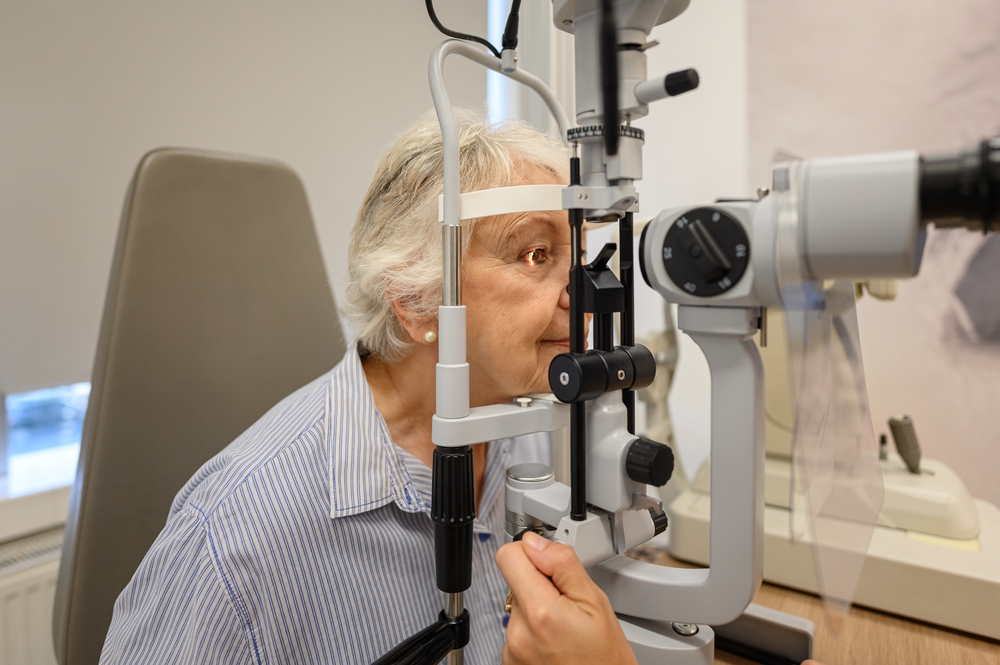
Many people think of an eye exam as simply checking if you need glasses or contact lenses - but it’s much more than that. A comprehensive eye exam is one of the most valuable tools for evaluating not only your vision but also your overall health. At Bright Eyes Family Vision Care, our eye doctors use advanced diagnostic technology to assess the health of your eyes and detect signs of systemic conditions that may otherwise go unnoticed.
What Is a Comprehensive Eye Exam?
A comprehensive eye exam goes far beyond a basic vision screening. During your appointment, your optometrist will measure how well you see at different distances, assess your eye coordination and focusing ability, and carefully examine both the internal and external structures of your eyes using advanced diagnostic instruments. This detailed evaluation helps ensure that your vision remains clear and your overall eye health stays in optimal condition.
What Your Eye Exam Can Tell About Your Eyes
A detailed eye exam can uncover a wide range of visual and functional issues, including:
• Refractive Errors - Nearsightedness, farsightedness, and astigmatism affect how light focuses on the retina, leading to blurred vision.
• Eye Conditions and Diseases - Exams can reveal early signs of glaucoma, cataracts, macular degeneration, and diabetic retinopathy—conditions that may not cause symptoms until vision loss occurs.
• Binocular Vision Dysfunction (BVD) - This occurs when your eyes struggle to work together properly, often causing headaches, dizziness, or difficulty with reading.
• Convergence Insufficiency - A common condition in children and adults where the eyes do not move inward together when focusing on close objects, leading to eyestrain, double vision, or trouble concentrating.
Detecting these issues early allows for timely treatment, preventing long-term damage and improving visual comfort.
What Your Eye Exam Can Reveal About Your Overall Health
Your eyes are a window to your body’s health. During a comprehensive exam, your optometrist can often detect early signs of systemic health problems such as:
• Diabetes - Changes in the blood vessels of the retina may indicate diabetic retinopathy, sometimes before a patient is even diagnosed with diabetes.
• High Blood Pressure - Swollen or narrowed blood vessels in the eyes can be an early warning sign of hypertension.
• High Cholesterol - Certain deposits in the eyes can signal elevated cholesterol levels.
• Autoimmune Diseases - Inflammation in the eyes may reflect conditions such as lupus or rheumatoid arthritis.
• Thyroid Disorders - Bulging eyes or eyelid changes can be linked to thyroid imbalances.
Regular eye exams play an essential role in identifying these conditions early—sometimes before symptoms appear elsewhere in the body.
The Importance of Annual Eye Exams for All Ages
Eye exams are important for every stage of life:
• Children - Early detection of vision issues ensures healthy visual development and supports learning in school.
• Adults - Routine exams help maintain clear vision and detect eye strain or disease in its early stages.
• Seniors - More frequent exams help monitor age-related eye diseases and systemic health changes that can affect sight.
Those with risk factors such as diabetes, high blood pressure, or a family history of eye disease may need to be seen more frequently.
Schedule Your Comprehensive Eye Exam Today
A comprehensive eye exam does more than update your prescription - it offers valuable insight into both your visual and overall health. By detecting early signs of disease and preventing complications, routine eye care is one of the most important investments you can make in your well-being.
Schedule your comprehensive eye exam with Bright Eyes Family Vision Care and take a proactive step toward protecting your vision and your health. Contact our offices in Tampa, Florida, by calling (813) 792-0637 to book an appointment today.


OFFICE HOURS
| Monday | 9:00am - 5:00pm |
| Tuesday | 9:00am - 5:00pm |
| Wednesday | 9:00am - 6:00pm |
| Thursday | 9:00am - 5:00pm |
| Friday | 9:00am - 5:00pm |
| Saturday | By Appointment Only |
| Sunday | Closed |
OFFICE HOURS
| Monday | Closed |
| Tuesday | 9:00am - 5:00pm |
| Wednesday | 9:00am - 6:00pm |
| Thursday | 9:00am - 5:00pm |
| Friday | Closed |
| Saturday | By Appointment Only |
| Sunday | Closed |
© 2026 Bright Eyes Family Vision Care All rights Reserved. Privacy Policy Sitemap
Powered by
